Understanding Neurosurgery: Insights from a Resident
Neurosurgery is a field that combines the intricacies of the human brain and nervous system with the precision of surgical techniques. As a resident in this demanding specialty, I have gained firsthand experience that sheds light on the challenges and rewards of this profession. In this blog post, I will share insights into the daily life of a neurosurgery resident, the skills required, and the impact of this specialty on patients' lives.

The Journey to Becoming a Neurosurgeon
Education and Training
The path to becoming a neurosurgeon is long and rigorous. It typically begins with a bachelor's degree, followed by medical school, and then a residency program that lasts about seven years. During this time, residents undergo extensive training in various aspects of neurosurgery, including:
Anatomy of the Nervous System: Understanding the complex structures of the brain and spinal cord.
Surgical Techniques: Learning how to perform delicate procedures with precision.
Patient Care: Developing skills in managing patients before, during, and after surgery.
The Residency Experience
As a neurosurgery resident, my days are filled with a mix of clinical duties, surgical procedures, and educational opportunities. Each day presents unique challenges, from diagnosing complex conditions to performing intricate surgeries. Here’s a glimpse into a typical day:
Morning Rounds: We start the day by visiting patients in the hospital, discussing their progress, and planning for the day’s surgeries.
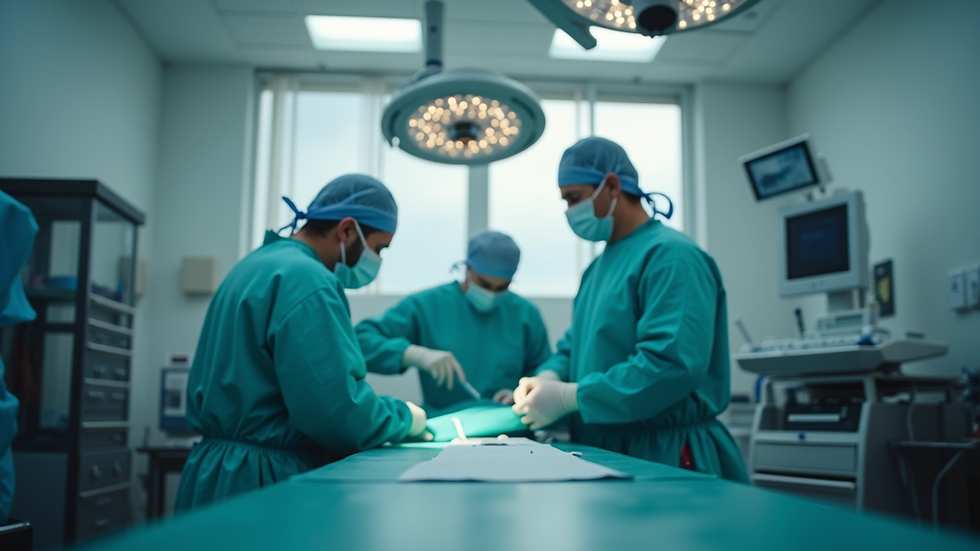
Surgical Procedures: Depending on the schedule, I may assist in surgeries ranging from tumor removals to spinal fusions. Each procedure requires intense focus and teamwork.
Educational Sessions: Throughout the week, we participate in lectures and case discussions to enhance our knowledge and skills.
Skills Required for Neurosurgery
Technical Skills
Neurosurgery demands a high level of technical skill. Surgeons must be adept at using various instruments and technologies, including:
Microsurgical Techniques: These involve using a microscope to perform delicate surgeries on the brain and spinal cord.
Endoscopic Procedures: Minimally invasive techniques that reduce recovery time and complications.
Soft Skills
In addition to technical skills, neurosurgeons must possess strong interpersonal skills. Effective communication with patients and their families is crucial, especially when discussing complex diagnoses and treatment options. Empathy and compassion play significant roles in patient care.
The Impact of Neurosurgery on Patients
Neurosurgery can profoundly change patients' lives. From alleviating chronic pain to removing life-threatening tumors, the outcomes can be life-altering. Here are a few examples of how neurosurgery makes a difference:
Tumor Removal: Patients with brain tumors often experience significant relief and improved quality of life after surgery.
Spinal Surgery: Procedures to correct spinal deformities can restore mobility and reduce pain for patients suffering from conditions like scoliosis.
Patient Stories
During my residency, I have encountered numerous inspiring patient stories. One patient, a young woman diagnosed with a brain tumor, underwent a successful surgery that not only removed the tumor but also allowed her to return to her passion for painting. Her journey highlighted the resilience of the human spirit and the transformative power of neurosurgery.
Challenges in Neurosurgery
High-Stress Environment
Neurosurgery is known for its high-stress environment. The stakes are often incredibly high, and decisions must be made quickly. Residents must learn to manage stress effectively while maintaining focus and precision during surgeries.
Long Hours
The demanding nature of the field often results in long hours. Residents frequently work nights and weekends, balancing their clinical responsibilities with educational commitments. This can lead to fatigue, making self-care essential.
The Future of Neurosurgery
Advancements in Technology
The field of neurosurgery is constantly evolving, with new technologies improving patient outcomes. Innovations such as robotic-assisted surgery and advanced imaging techniques are becoming more prevalent, allowing for greater precision and less invasive procedures.
Research and Development
Ongoing research is crucial for advancing our understanding of neurological conditions. As a resident, I have the opportunity to participate in research projects that aim to improve surgical techniques and patient care. This involvement not only enhances my education but also contributes to the broader field of neurosurgery.
Conclusion
Being a neurosurgery resident is both challenging and rewarding. The opportunity to impact patients' lives profoundly is what drives many of us in this field. As I continue my journey, I am excited about the advancements in technology and research that will shape the future of neurosurgery. For anyone considering this path, be prepared for a demanding yet fulfilling career that requires dedication, resilience, and a passion for helping others.
The journey may be long, but the rewards are immeasurable. If you are interested in learning more about neurosurgery or considering a career in this field, I encourage you to seek out opportunities to shadow professionals and gain insights into this fascinating specialty.

Comments